What Makes a Detroit Beat Sound Like Detroit?
You can order the same kind of articles for your own video to boost it on YouTube and Google. Just message the Telegram bot @sat_sit_bot. It writes articles around your video, embeds the video and publishes them on popular niche websites (no ads). Free trial — 50 articles.
· based on the channel Reuel StopPlaying
Key takeaways
- Detroit beat is a rap production style tied to Detroit and Flint, usually 140-160 BPM with punchy 808s and dark minor-key piano or synth loops.
- Rio Da Yung OG and Babyfxce E are two of the most requested names for Detroit type beats, alongside Babytron, YSR Gramz and Krispylife Kidd.
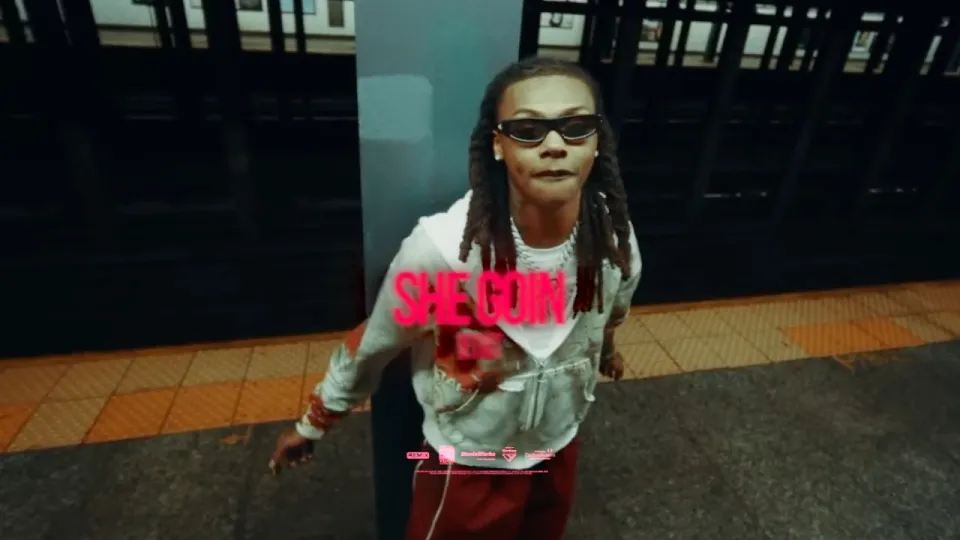
- The video 'She Goin' by Reuel StopPlaying is a free Rio Da Yung OG x Babyfxce E type beat, free for non-profit use only.
- A free download can be used for demos, YouTube streams and non-profit shows, but written credit is required: 'Produced by (Producer Name) for SoundFirst Productions'.
- Commercial use of the free beat is not allowed; a non-exclusive or exclusive license must be bought, and the paid version is available at https://bit.ly/2mxSONh.
A Detroit beat is a rap instrumental built for Detroit and Flint-style vocals: typically 140–160 BPM, hard-hitting 808s, dark minor-key piano or synth loops, and hi-hats that push and pull against the grid. The style is defined less by one sound than by the space it leaves for punchline-heavy, conversational rapping. A clear recent example is the free Rio Da Yung OG x Babyfxce E type beat "She Goin'" from producer Reuel StopPlaying, which you can license or download through the beat's purchase page.
What defines the Detroit beat sound
Detroit beat is a production style shaped by the city's rap scene and its close neighbor Flint, where rappers often trade bars over sparse, menacing loops. The core elements are consistent enough that you can hear a Detroit type beat within a few seconds:
- Tempo: most tracks sit between 140 and 160 BPM, fast enough for double-time flows but slow enough for laid-back delivery.
- Drums: punchy 808s with short decay, snappy snares or claps, and hi-hats that often use triplets and off-grid rolls.
- Melody: dark piano, eerie synth bells, or sampled soul loops in minor keys, usually simple and repetitive to leave room for vocals.
- Arrangement: short intro, quick drop into the main loop, and frequent 4- or 8-bar switch-ups to match a rapper's changing cadence.
- Mix: vocals sit loud and dry; the beat is loud but not cluttered, so punchlines land clearly.
Producers in this lane include names like Reuel StopPlaying, whose catalog focuses on Rio Da Yung OG, Babyfxce E, Babytron, YSR Gramz, Krispylife Kidd, GrindHard E, RMC Mike and AK Bandamont type beats.
Rio Da Yung OG and Babyfxce E: why these names drive Detroit type beats
Rio Da Yung OG and Babyfxce E are two of the most requested artists in the Detroit and Flint type beat market, and that demand shapes how producers label and tag their instrumentals. Rio Da Yung OG is known for deadpan, off-the-cuff punchlines and a flow that floats over mid-tempo beats without sounding rushed. Babyfxce E brings a similar conversational delivery but often with a sharper, more aggressive edge. When a producer tags a beat as "Rio Da Yung OG x Babyfxce E type beat," they are signaling a specific pocket: enough space for one-liners, a loop that does not distract, and drums that hit hard without crowding the vocal. That is exactly the space the "She Goin'" beat occupies. The title itself is a common phrase in the scene, which makes it easy for rappers to imagine their own hook over it.
How to use a free Detroit type beat legally
The "She Goin'" beat is free for non-profit use only, which is a common licensing model for type beats. Here is how that works in practice:
- Non-profit use is allowed. You can use the beat for free demos, promotional CDs, personal projects, non-profit live shows, and streaming your recording on sites like YouTube or Facebook.
- Written credit is required. On every physical or digital release, and in your video description, you must include: "Produced by (Producer Name) for SoundFirst Productions." If written credit is impossible, you must give recorded vocal credit.
- For-profit use is forbidden. If you plan to monetize the song, sell it, or use it in a commercial project, you need a non-exclusive or exclusive license.
- Buying a license is straightforward. The producer's purchase page is linked in the video description and points to https://bit.ly/2mxSONh, where you can arrange the license.
- Keep proof of the agreement. Save your license email or receipt; platforms sometimes ask for proof when you monetize a video.
If you are unsure whether your use counts as commercial, treat any ad revenue, paid streaming, or paid performance as for-profit and get a license first.
Common questions from rappers about Detroit type beats
Rappers who find a Detroit type beat often ask the same practical questions before recording. The most frequent concerns are about how to download the beat, whether they can monetize a video, and how to credit the producer. A free beat is usually distributed as a tagged MP3 for preview and an untagged file after purchase or lease. If you only need to practice or post a non-monetized video, the free version is enough, as long as you follow the credit rules. If you plan to upload to Spotify, Apple Music, or any platform that pays royalties, you need a license. Another common question is whether the producer will take the YouTube video down after you buy the beat; most producers leave the type beat video up as promotion, but the license agreement is what protects you, not the video's status. Always read the producer's terms before you record, because each beat may have slightly different rules.
What to listen for when choosing a Detroit type beat
Choosing the right Detroit beat is about matching the beat's energy to your delivery, not just the BPM. Listen for these details:
- Vocal space: does the loop leave a clear pocket for your voice, or does it fight for attention?
- Drum pattern: Detroit beats often use hi-hat rolls and 808 slides; make sure the rhythm feels natural under your flow.
- Switch-ups: a good type beat changes every 8 or 16 bars, which gives you a natural place to change your cadence.
- Mix quality: the beat should sound loud and clean on phone speakers, since most listeners stream on mobile.
- Tag placement: free beats usually have producer tags; check where they fall so they do not interrupt your hook.
If a beat passes those checks, it will usually work for a full song, not just a snippet.
Useful links
- Buy or license the beat: https://bit.ly/2mxSONh
- Producer on Twitter: https://twitter.com/reuelethan
- Producer on Instagram: http://instagram.com/Reuelethan
The bottom line on Detroit beats
Detroit beat is a flexible style that rewards rappers with strong punchlines and a conversational flow. The formula is simple: 140–160 BPM, hard 808s, dark melodies, and enough space for the vocal to lead. The free "She Goin'" Rio Da Yung OG x Babyfxce E type beat from Reuel StopPlaying is a solid example of that formula, and it is free for non-profit use with proper credit. If you want to release it commercially, buy a license through https://bit.ly/2mxSONh and keep the credit line intact. Reuel StopPlaying built this beat and the accompanying breakdown, so check the channel for more Detroit and Flint type beats.
Questions & answers
Can I use a free Detroit type beat for a non-profit song?
Yes, most free type beats allow non-profit use, including demos, promotional CDs, non-monetized YouTube videos, and non-profit live shows. You must give written credit in the format the producer specifies, such as "Produced by (Producer Name) for SoundFirst Productions." If you plan to make money from the song, you need a paid license.
Do I need a license to upload a song with a Detroit type beat to Spotify?
Yes, if you upload to Spotify, Apple Music, or any platform that pays royalties, that counts as commercial use and requires a non-exclusive or exclusive license. Free downloads are usually limited to non-profit promotion. Buying a license also gives you an untagged file and legal protection.
What BPM are Detroit type beats usually made at?
Most Detroit and Flint type beats sit between 140 and 160 BPM. That range supports both double-time flows and slower, laid-back delivery. Producers often use hi-hat rolls and 808 slides to add movement without changing the tempo.
Will the producer take down the YouTube video after I buy the beat?
Most producers leave type beat videos up as promotion even after a beat is sold, but the license agreement is what gives you permission to use it. If you buy an exclusive license, the producer may remove the video or stop selling the beat to others. Always confirm the terms in writing before you release your song.
Source: [FREE] “She Goin” - Rio Da Yung OG x Babyfxce E Type Beat | Detroit Type Beat · Markdown version